
Is LAPIP® better than traditional peri-implantitis surgery? A comparison guide
Updated: Apr 23
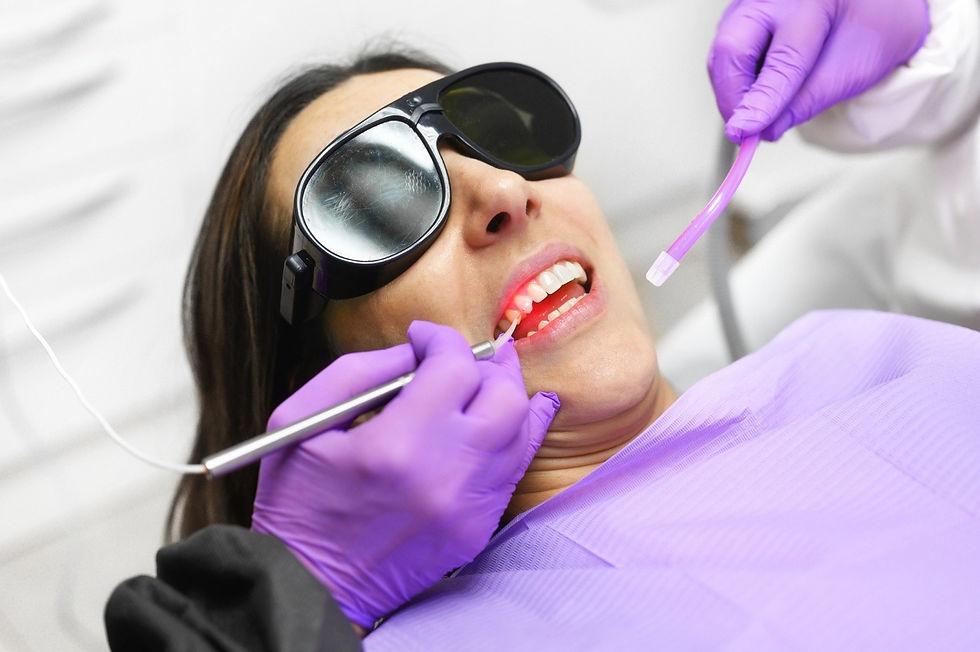
If you have a dental implant that suddenly feels tender, bleeds when you brush or looks inflamed, it can be stressful. Many people worry that this means their implant is failing or that surgery is the only option. LAPIP® laser treatment offers a minimally invasive alternative that can help treat peri‑implantitis and support saving dental implants that still have a chance.
This article explains what peri‑implantitis is, how LAPIP® works, how it compares with traditional gum surgery, what recovery looks like and when to speak with Dr. Crapo & Associates in Victoria, BC about your options.
Why Peri‑implantitis Matters for Implant Health
Peri‑implantitis occurs when bacteria build up around a dental implant, leading to inflammation and potential bone loss. Without treatment, this condition may compromise the stability of the implant. According to the Canadian Dental Association, gum disease‑related conditions are a leading cause of implant complications.
Early diagnosis and timely care can help preserve healthy bones and reduce the chance of implant failure. Guidance from Canadian oral health authorities highlights the importance of maintaining gum health to support implant longevity.
How LAPIP® Laser Treatment Works
LAPIP® (Laser Assisted Peri‑Implantitis Procedure) uses focused laser energy to target bacteria and inflamed tissue around an implant. The goal is to clean the implant surface, reduce infection and support the body’s natural ability to regenerate surrounding tissue.
Benefits of LAPIP® Include:
Minimally invasive treatment
No incisions or stitches
Reduced bleeding and discomfort when compared with traditional surgery
Precise removal of infected tissue
Preservation of healthy gum and bone
For adults seeking a conservative approach or a faster recovery period, LAPIP® may be an option worth discussing with a dentist.
LAPIP® vs Traditional Gum Surgery
Traditional peri‑implant surgery often involves lifting the gum tissue to reach the implant surface. LAPIP® is considered a gentler alternative because the laser targets diseased tissue without incisions.
LAPIP® laser treatment may offer advantages such as:
Less post‑treatment inflammation
Shorter chair time
Minimal disruption to daily activities
Conservative tissue preservation
A dentist will evaluate whether LAPIP® is appropriate based on factors such as bone support, infection level and the health of surrounding tissues.
Can LAPIP® Help Save a Failing Implant?
Although no treatment can guarantee an outcome, LAPIP® is designed to help stabilize implants that still have enough supporting bone. By reducing bacterial infection and encouraging healthier tissue attachment, the procedure may help improve implant stability.
Patients often ask, “Can a dental implant be saved?” The answer depends on how early peri‑implantitis is diagnosed and how much bone remains. A professional evaluation is the best way to determine whether the implant can be maintained.
When to See a DentistEarly signs of peri‑implantitis can be subtle. Consider contacting a dental professional if you notice:
Bleeding or swelling around an implant
Persistent discomfort or tenderness
Gum recession around the implant
A metallic taste or signs of infection
Changes in how the implant feels when chewing
Prompt assessment can help determine whether LAPIP® laser treatment or another approach may be appropriate.
What to Expect During Recovery After LAPIP®Recovery time is typically shorter than with traditional gum surgery. Patients may experience:
Mild tenderness for a few days
Temporary bite changes as the tissue heals
Gradual improvement in gum health around the implant
Your dentist may recommend temporary modifications to brushing and eating habits. Follow‑up visits help ensure the treated area is healing as expected.
Supporting Long‑Term Implant HealthLong‑term implant success depends on consistent care. Helpful habits include:
Regular professional cleanings
Proper brushing and flossing techniques
Monitoring for changes around implants
Following dentist‑recommended maintenance plans
Frequently Asked Questions About LAPIP®
What is LAPIP® laser treatment?
It is a minimally invasive laser procedure used to treat peri‑implantitis by targeting bacteria and inflamed tissue around dental implants.
Is LAPIP® effective for peri‑implantitis?
LAPIP® is designed to reduce infection and stabilize tissue. A dentist will determine if it is appropriate based on the condition of the implant.
Is laser treatment better for peri‑implantitis than surgery?
For many patients, laser treatment offers less discomfort and a shorter recovery period when compared with traditional surgical approaches.
How long is recovery after LAPIP® treatment?
Recovery varies, but many patients report mild discomfort for only a few days.
Is LAPIP® available in Victoria, BC?
Yes, Dr. Crapo and Associates provides LAPIP® laser treatment in Victoria, BC.
Considering LAPIP® in Victoria, BC?
If you think you may have peri‑implantitis or want to explore minimally invasive options, a consultation can help you understand whether LAPIP® is suitable for your situation. Contact Dr. Crapo and Associates to schedule an appointment.


Comments